
A release calendar is most useful when it helps you choose what to play, rather than simply giving you more things to buy. This November selection follows six announced Windows releases and asks a different question of each: are you looking for a shared project, a reason to return to an existing game, a management season, or an adventure to discover for yourself?
The dates below were checked on 25 October 2026. They are plans, not promises, and this is a curated guide rather than a claim to list every PC launch.
Choose the kind of commitment first
Our editorial starting point is the time you actually have. A game you want to revisit with friends needs a place in a shared schedule; a personal campaign needs room alongside the games already installed.
Before choosing a date, decide whether November is for starting something new or finishing something familiar. That distinction is more useful than trying to rank completely different genres on one anticipation scale.
None of the selections below is presented as a reviewed recommendation, and announced improvements should still be tested against your own priorities.
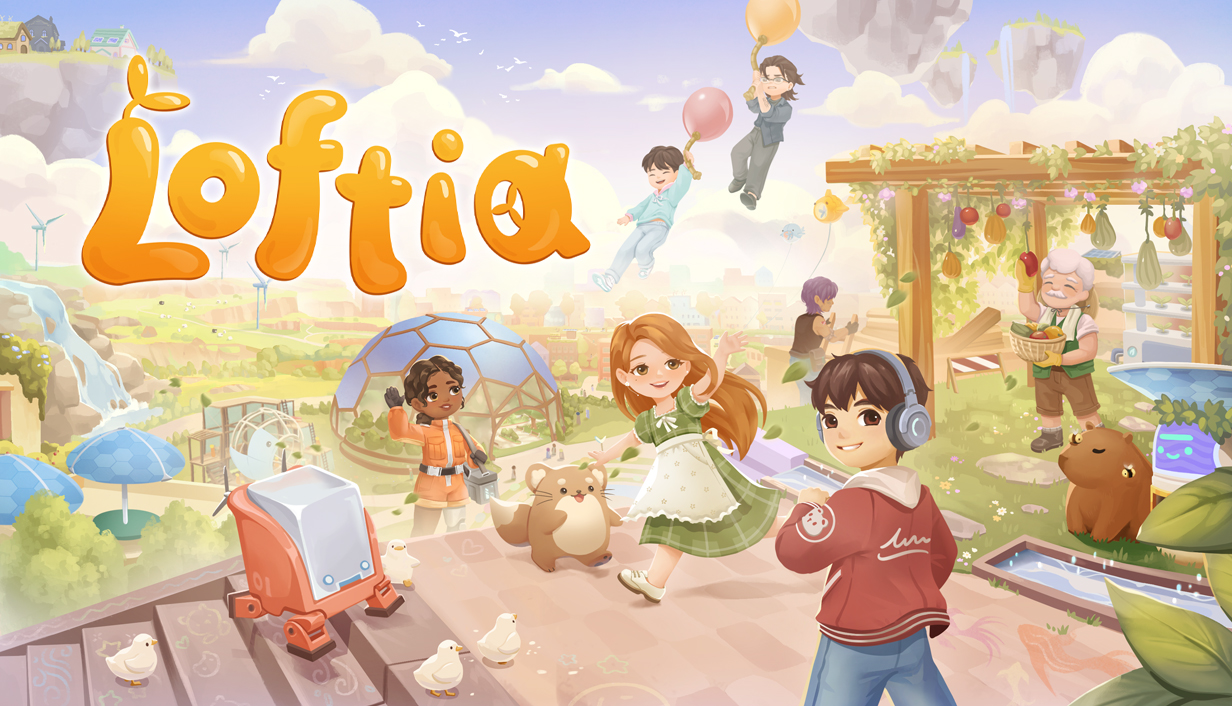
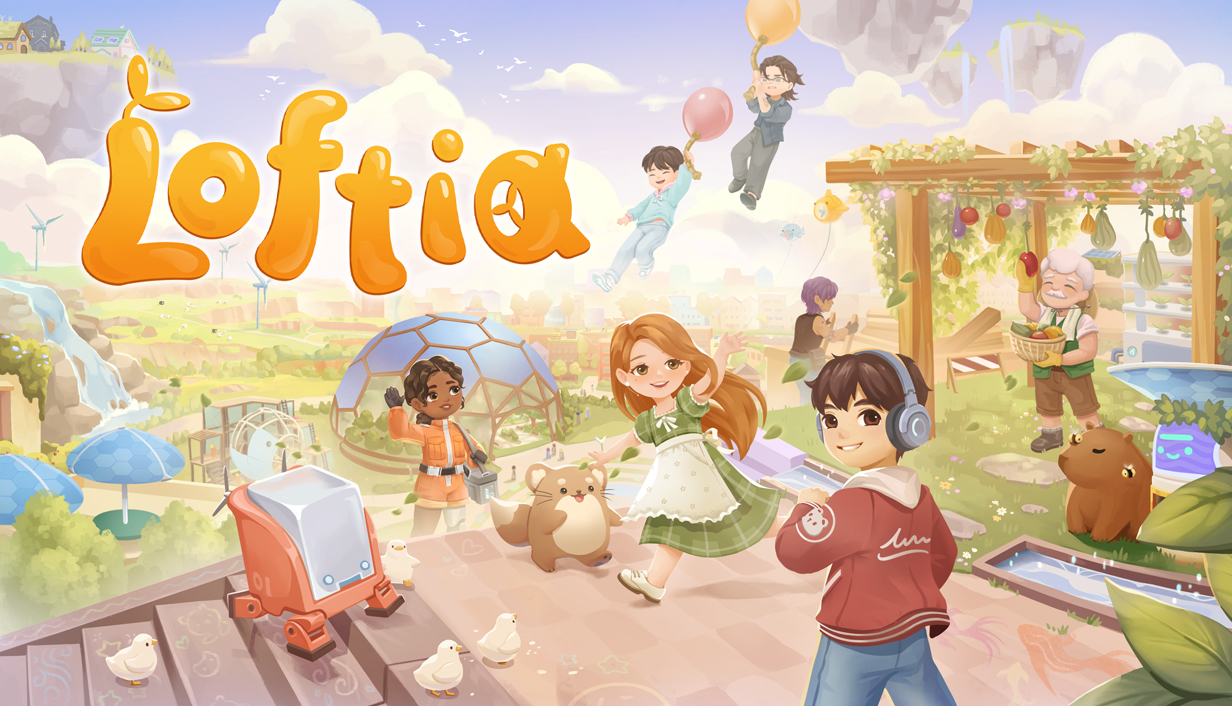
3 November: Loftia enters Early Access
Qloud Games combines farming, crafting and social play in a solarpunk shared world. PC distribution is confirmed through Steam and Epic Games Store.
The developer's Early Access overview highlights the Hanging Gardens, Gridfall, hydroponics and community farms.
For a group choosing its next regular game, the useful discussion comes before checkout: do you all want to begin together, and are you comfortable leaving a project alone if its present form does not hold your attention? Make the first evening an introduction, not a commitment to an entire season.
We would judge that evening by the activities everybody actually wants to repeat, rather than by the size of a future wishlist. A beautiful premise can earn curiosity without obliging you to stay.
4 November: Lightyear Frontier reaches version 1.0
Its farming and exploration take place in customizable mechs, either alone or with up to three friends.
The progression overhaul brings automation forward, consolidates deliveries and adds a delivery queue. New milestones 13 and 14 extend the route towards the ending.
A returning player and a newcomer should ask different questions. If you already have a farm, decide what would make returning worthwhile before abandoning your current project elsewhere.
If you are starting fresh, do not turn another player's established routine into homework for your first session. Our suggested approach is to choose one personal goal for the first evening and see whether you enjoy the steps towards it.
Version numbers can mark a useful moment to investigate a game; they cannot decide whether its daily rhythm suits you.
10 November: Football Manager 27
Sports Interactive describes reorganized primary and secondary menus, more direct full-screen navigation, and customizable shortcuts and bookmarks. These are developer-announced interface changes, not our measured usability results.
A separate feature preview introduces Tactical Tweaks and changes to player movement and defensive behaviour. The practical question is how clearly your decisions translate into what you see during matches.
For a management game, our preferred first-session test is deliberately ordinary: can you find the information you need, make a decision, and understand what happened next without fighting the presentation? Try your normal routine rather than rushing to construct an ideal career.
A list of new features is less useful than noticing whether the parts you repeat feel comfortable. Leave verdicts about simulation quality and long-term balance until there is enough playing evidence; a launch calendar cannot responsibly supply either.
10 November: Nocturnal 2
Sunnyside Games sets this hand-drawn metroidvania in the interconnected city of Ytash. A flame-wielding sword links combat and exploration, while Persian architecture informs the visual setting.
For anyone considering this slot, we would look beyond the trailer's prettiest frame and ask about the act of moving through the game. Do you enjoy returning to a place after noticing something you missed?
Do you want discovery to share attention with execution? Those are better personal filters than assuming a sequel will reproduce your favourite moments from another game. Keep some curiosity intact: you do not need to study a full route or every hidden reward before deciding whether to follow the launch.
11 November: MONOMOON
Gentle Giant builds progression around observation, environmental puzzles and discovering how its small world works, rather than giving players explicit instructions for every objective.
The developer recommends keyboard and mouse for the platforming and point-and-click combination, although controllers are supported.
Our advice for the first evening is to resist optimizing it. Keep your own notes if that is enjoyable, stop before frustration turns into compulsory guide-reading, and give yourself permission to return later.
Curiosity and completion are different goals. A mystery can be a good fit for a patient player without being the right purchase for somebody who wants constant direction after work.
That is an audience distinction, not a judgement about difficulty or the eventual quality of the puzzles.
24 November: Light of Atlantis
This puzzle-metroidvania uses adjustable water levels and robots with different abilities.
A later calendar slot can be useful even without a larger marketing campaign around it. Keep some time unassigned instead of spending the entire month's attention in its opening week.
We would make this a reminder to check launch impressions, not an instruction to buy on day one. You can be interested in a smaller release without making a performance claim, predicting its length, or assuming it will run well on an old laptop.
Build a shortlist, not a backlog
Our practical November plan is to reserve one slot for the game you most want to start, one for something you already own, and leave the rest open. Before spending money, recheck the exact edition, its current release status, the requirements for your own machine and the store serving your region.
Do not copy another platform's date into a PC plan. The native game cards attached to this article record the verified Windows selections; the separate Steam guide looks more closely at storefront features, while the Mac guide applies a different native-release test.
Comments